
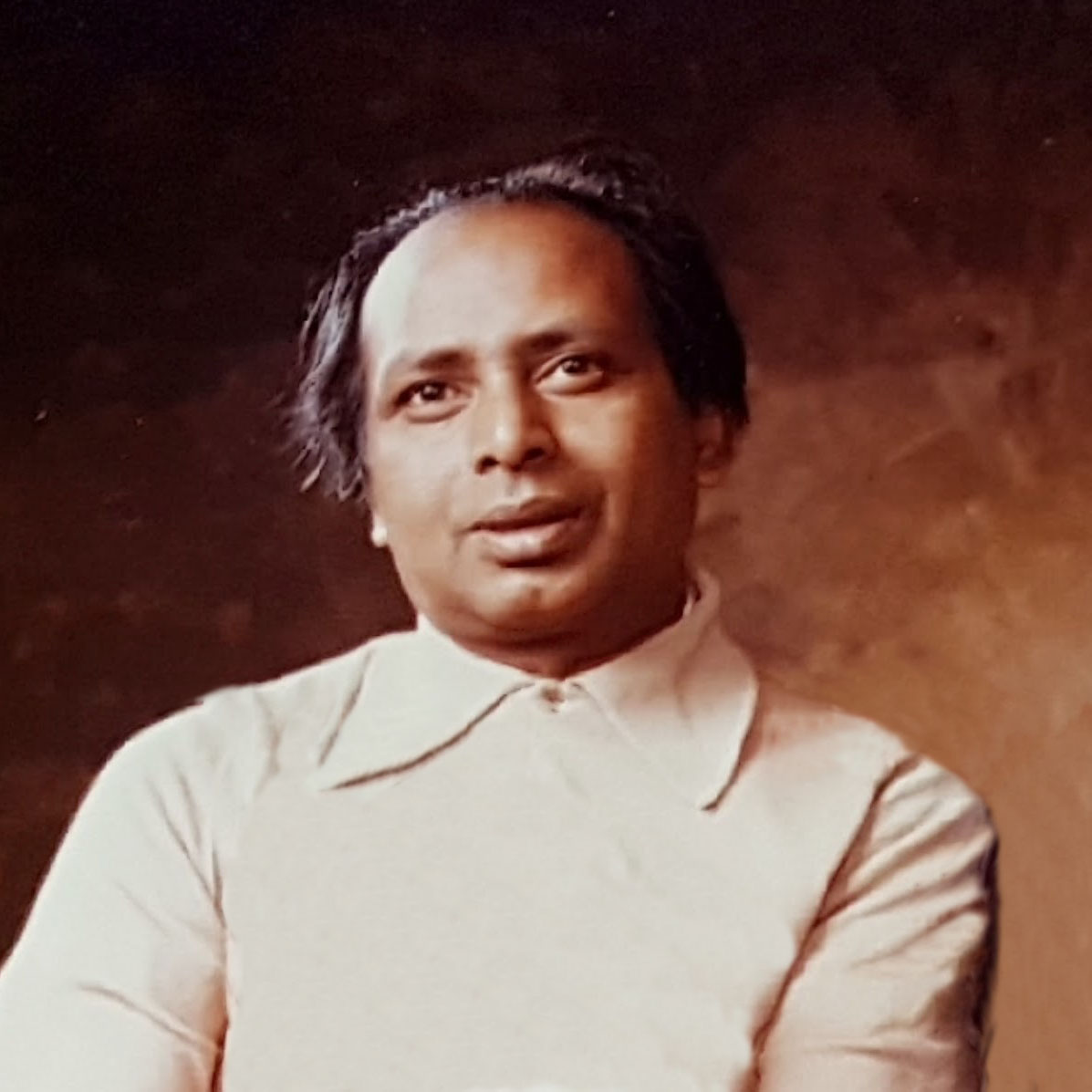
Biography
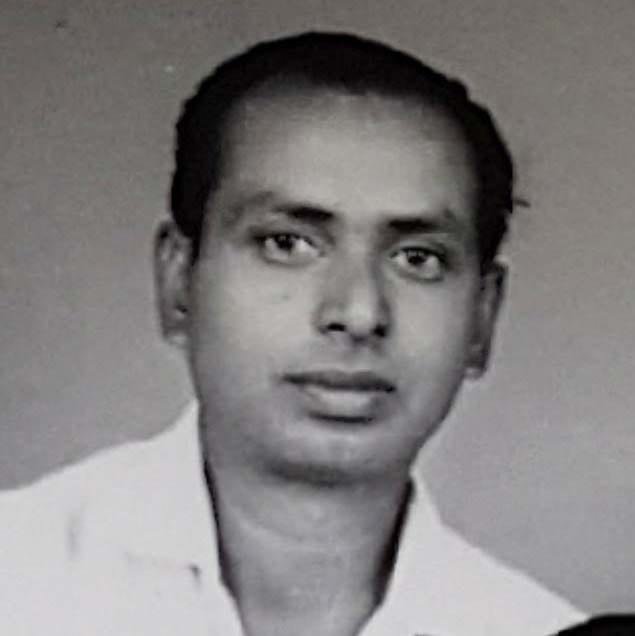
Nasir Ali was born in the early 1930s in Bara Dirai, Usmaninogor, in Sylhet. Like so many South Asian men of his generation, he was driven by a desire to see the world, make something of himself, and support the family he loved back home.
In 1960 he travelled to England and settled first in Halifax, where he worked in factories alongside other Bengali immigrants. It was demanding work, but it offered the possibility of saving, learning, and imagining a life beyond the narrow chances available to many men of his background at the time.
While driving through the Wiltshire countryside to visit friends in Bristol, he found himself unexpectedly reminded of home. The landscape, the quiet, and the openness of the place stayed with him. He decided then that Salisbury was where he wanted to make his life.
In 1962 he co-founded Salisbury's first Indian restaurant, The Asia Restaurant. It was a bold beginning in a city that had not yet encountered South Asian food as part of everyday life. After selling his share, he returned to East Pakistan for about a year to spend time with his elderly mother.

He came back to England in 1969 and took work in a bearings factory, saving carefully and preparing for his next step. His instinct for opportunity, and his faith in Salisbury, had not left him.
In 1970 he partnered with relatives Eron Ali and Todris Ali to open the Taj Mahal on Fisherton Street, Salisbury's second Indian restaurant. Together they helped shape a new taste for South Asian cuisine in the city and widened the space for others to follow.
In 1972 his wife and young daughter joined him in Salisbury. The family lived in the flat above the Taj Mahal, where business and home life were closely bound together, as they were for many pioneering migrant families building something from scratch.
A year later, in 1973, he expanded the Taj Mahal by buying the neighbouring launderette and knocking through the wall. The enlarged building would later become the Everest Brasserie, but its earlier story belongs in no small part to his ambition and hard work.
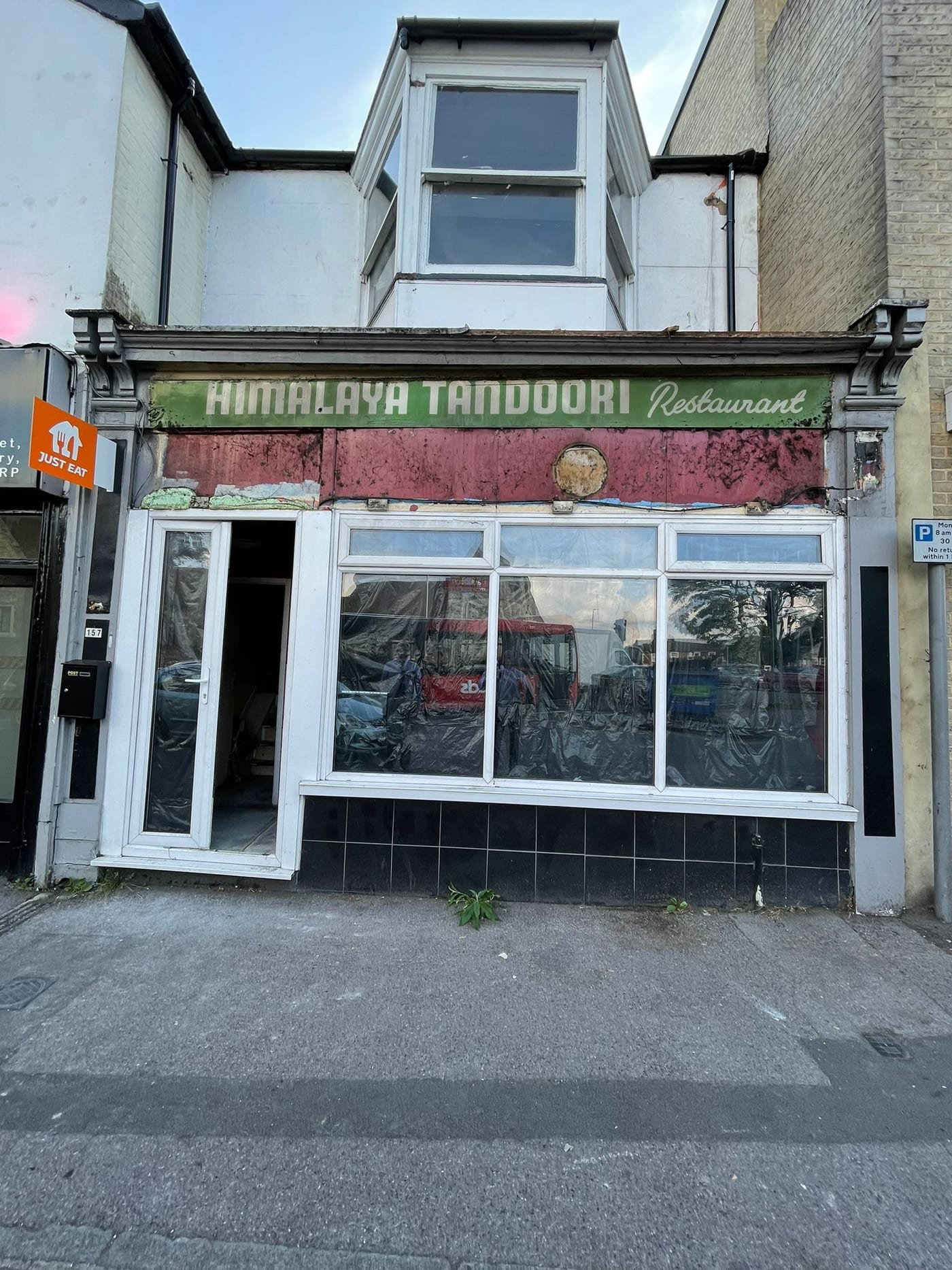
In 1976 he briefly opened a takeaway in Reading before returning to Salisbury. Financial pressures and competition from a neighbouring Italian restaurant eventually led to a swap of premises, out of which he opened The Himalaya, a business later known as the Spice Hut.
In 1978 he bought a house on Rampart Road, becoming the first Bangladeshi in Salisbury to own a home. It was a deeply symbolic milestone: not simply commercial success, but a sign that the community was beginning to put down lasting roots.
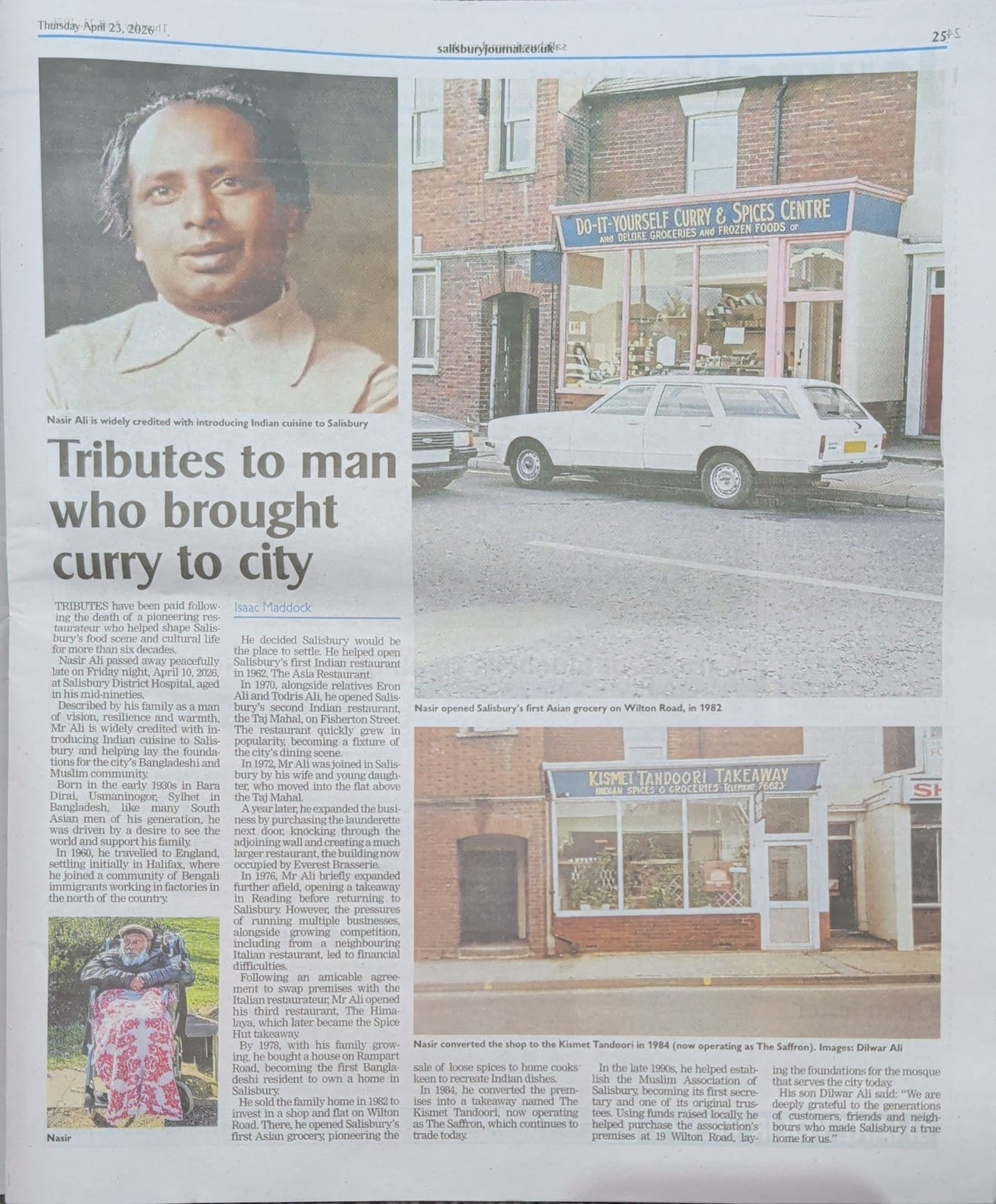
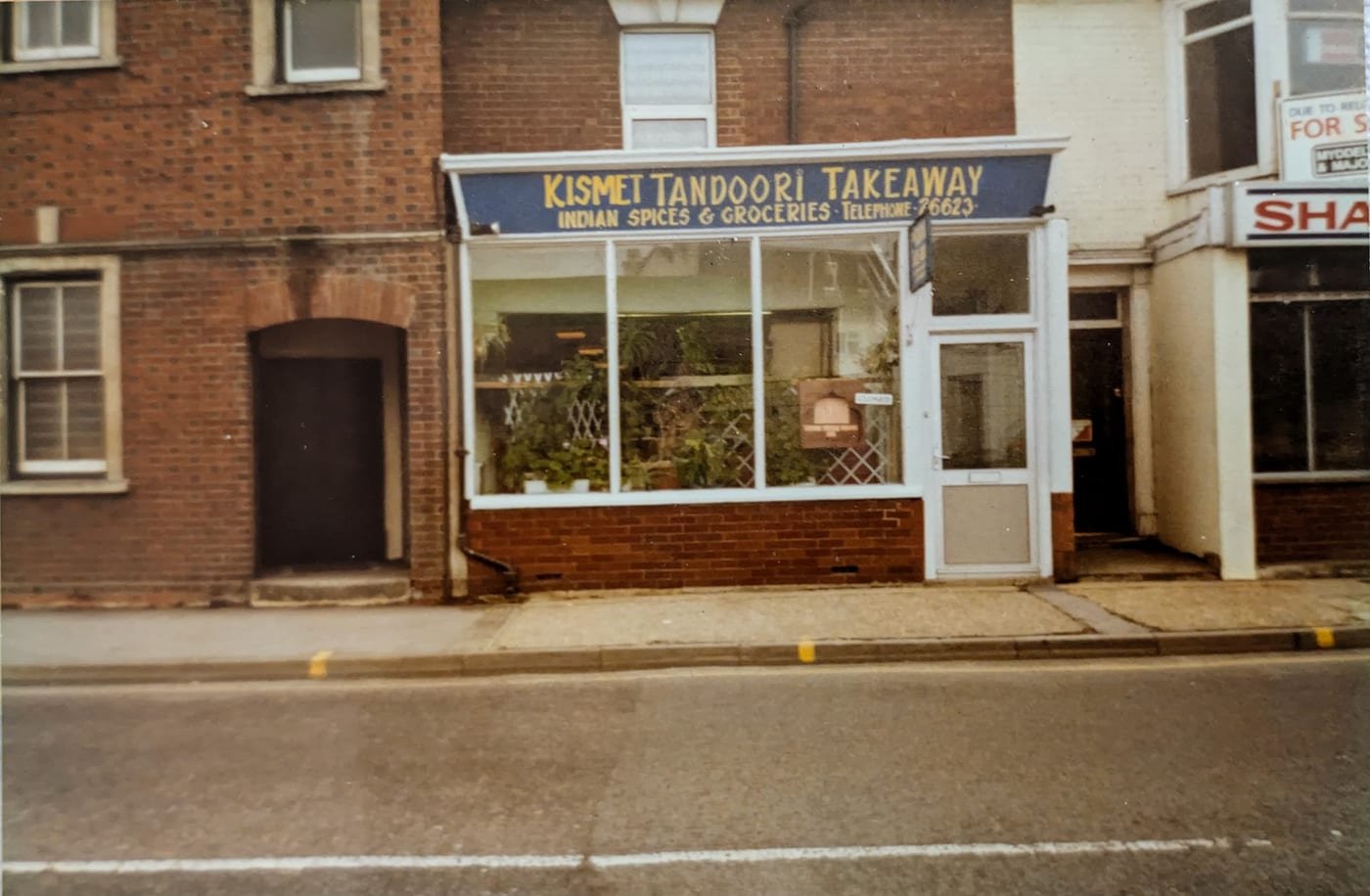
In 1982 he sold the family home to invest in a shop on Wilton Road, opening Salisbury's first Asian grocery: the Do-It-Yourself Curry & Spices Centre. There he sold loose spices directly to home cooks, and people drove for miles to buy coriander and other essentials not yet available in local supermarkets.

In 1984 he converted the premises into The Kismet Tandoori takeaway. Today the same site continues to trade on Wilton Road as The Saffron, forming a living legacy of the business he built and the tastes he helped make part of Salisbury life.
In the late 1990s he helped establish the Muslim Association of Salisbury, serving as its first Secretary and one of its original trustees. He also helped secure the purchase of 19 Wilton Road, laying the foundations for the mosque that continues to serve the city today.
In his final years, Nasir Ali lived quietly with his wife in the flat behind the Wilton Road takeaway, remaining close to the business and mosque he had helped to build. He passed away on 11 April 2026 at Salisbury District Hospital, leaving behind a city that still bears the shape of his labour, hospitality, and faith.